'Gibson ex-Huberman' Stradivarius
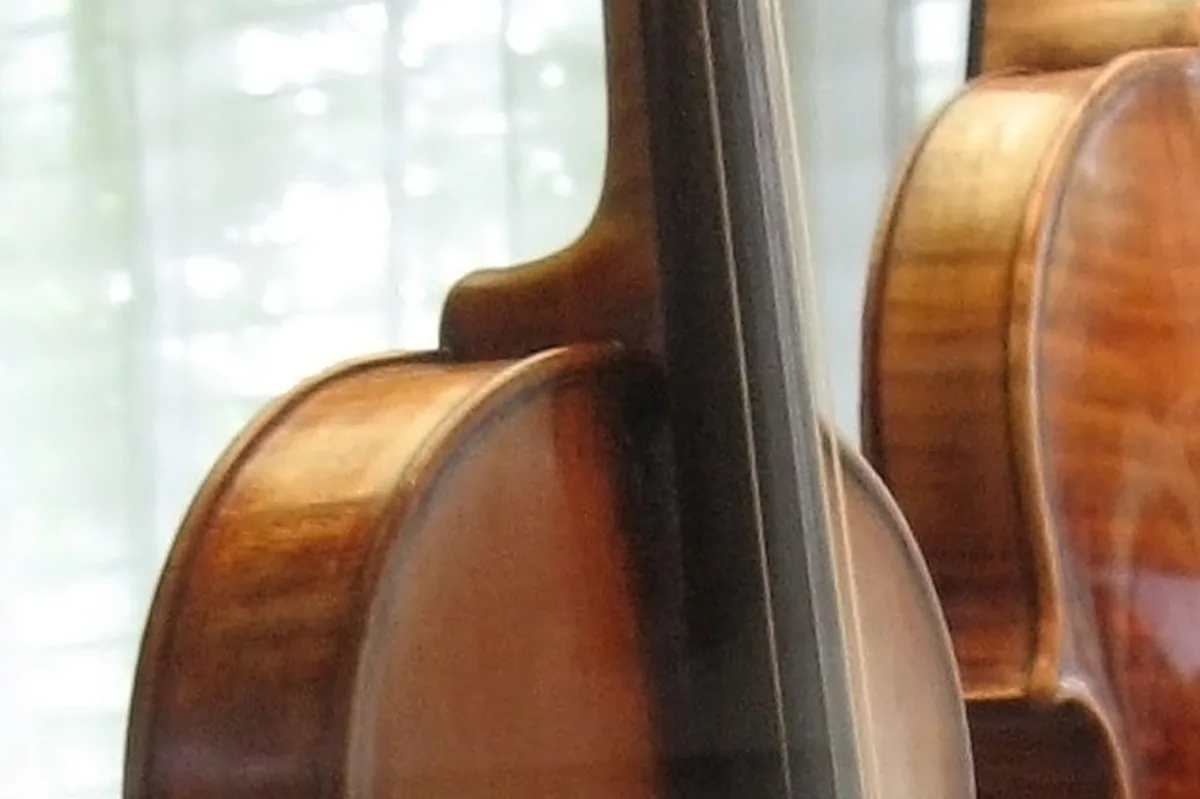
The Gibson ex-Huberman is a Stradivari violin made in 1713, placing it within the golden period of the instrument maker's output. It takes its name from two of its former owners, George Alfred Gibson and the violinist Bronisław Huberman.
The instrument is particularly distinguished by its dramatic history of theft. It was stolen from Huberman on two separate occasions, the second time from Carnegie Hall in 1936. The thief, a club musician, kept the violin for decades without public disclosure and confessed to the crime only on his deathbed. Following that confession, the instrument re-entered the market.
The violin was subsequently acquired by the violinist Joshua Bell, who performs on it. Its remarkable story — spanning theft, concealment, and eventual recovery — has been the subject of books and a documentary, contributing to its reputation as one of the most storied of all Stradivari violins.
Sources: Tarisio — Cozio Archive of stringed instruments; Library of Congress — Stradivari instruments / Whittall Collection; The Metropolitan Museum of Art — musical instruments collection; Smithsonian — National Music Museum / NMAH string instruments. Educational information only — not financial, investment, or appraisal advice. See our sources & fact-check policy.
Frequently asked questions
What is the the gibson ex-huberman Stradivarius?
It is a Stradivari violin made in 1713 (golden period). Twice stolen from violinist Bronisław Huberman and later recovered.
How much is the the gibson ex-huberman worth?
Reported value/sale: A high-value golden-period violin with a famous theft history. This is market history, not an appraisal or investment advice.
Where is the the gibson ex-huberman Stradivarius now?
Played by violinist Joshua Bell.
Why is it called the the gibson ex-huberman?
Owners George Alfred Gibson and Bronisław Huberman.
More in Famous instruments & value
All famous instruments & value →
Compare the famous instruments
See type, year, period, value and current location side by side.
Compare Stradivari instruments →